
What’s The Difference Between Siding Repair and Replacement
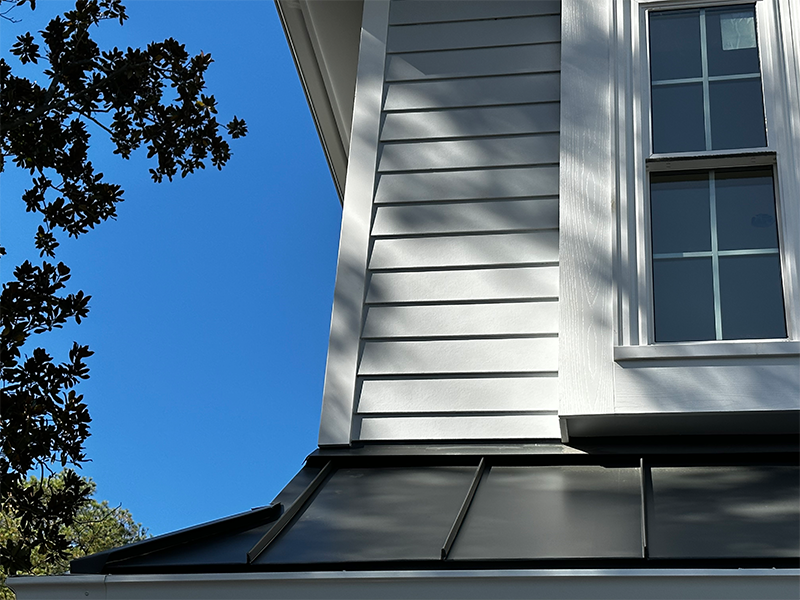
The siding on homes and buildings does more than just lend a pleasing aesthetic. It insulates and protects the interior. When siding is damaged, it leaves the structure open to pests, water damage, and further deterioration. Siding repair instead of replacement is not uncommon and may be the recommended option depending on several factors.
The extent of the damaged area and the age of the siding are major factors in determining whether a repair is the ideal remedy. As we take a closer look at the specifics, keep in mind that an exterior modeling contractor will have the ability and knowledge to make a proper determination.
Assess the Extent of Damage to Your Siding
A thorough inspection of your home’s exterior will be a good start to determine the extent of damage. Small, isolated damage typically warrants repair. Widespread deterioration will result in recommended siding replacement. Surface-level cosmetic issues differ fundamentally from structural compromise.
A professional siding inspection can determine whether damage penetrates to the underlayment. Schedule an inspection with experienced contractors who can assess the damage and recommend the best solution. Water intrusion, rot, and pest infestation often extend beyond what homeowners observe.
Calculate the True Cost of Repair Versus Replacement
When it comes to costs, it’s best to factor in long-term value since repairs add up quickly. Three repair projects over five years often exceed replacement costs while leaving you with aging siding. New siding delivers 20 to 50 years of protection, depending on the material.
Modern siding systems include improved insulation that reduces heating and cooling costs. When calculating potential utility savings over ten years, your investment in replacement pays off. With warranty coverage that protects your investment for decades, the overall cost-benefit increases significantly with replacement.
Evaluate Your Siding’s Age and Expected Lifespan
Siding approaching its expected lifespan is not the ideal candidate for repair. Patching 25-year-old vinyl siding that typically lasts 30 years provides minimal return. Replacement delivers maximum value when existing siding reaches 70% to 80% of its lifespan.
Vinyl siding lasts 20 to 40 years. Fiber cement lasts closer to 50 years. Wood siding requires replacement after 20 to 40 years with proper maintenance. Aluminum has a life span of up to 40 years. Your siding’s current age determines its remaining service life.
Identify Warning Signs That Demand Immediate Action
Certain conditions require immediate replacement regardless of cost considerations. Interior water stains may indicate compromised weather barriers, and mold growth signals moisture penetration that threatens structural integrity and occupant health. Warped or buckled panels demonstrate installation failure or material breakdown that repair may not address.
Increased heating and cooling costs reflect diminished insulation performance, while peeling paint on wood siding exposes the material to accelerated deterioration. Holes and cracks in siding allow pest infiltration, and destructive pests such as termites, carpenter ants, and rodents are quick to exploit these entry points. Each day of delay compounds damage and repair costs.
Visible rot requires immediate attention, as soft spots indicate structural compromise that extends beyond surface appearance. This condition spreads rapidly and affects framing, sheathing, and interior walls, making an inspection crucial to protect your home.
Base the Decision on Your Initial Investment Goals
Your decision should align with your property goals, as short-term ownership favors targeted repairs that maintain appearance. Long-term residence justifies a replacement investment that delivers decades of protection and enhanced comfort.
Neighborhood standards are also worth considering, as homes in your area set market expectations. Deteriorated siding reduces curb appeal and property value relative to comparable homes, while replacement positions your home competitively and may bring premium pricing.
Delaying a necessary replacement accelerates secondary damage and water infiltration that can affect insulation, framing, electrical systems, and interior finishes. What may start as a minor siding issue can quickly become a major renovation project.
Richmond, Virginia’s Leading Siding Contractor
As Virginia’s premier siding contractor, Classic Construction will conduct a thorough inspection to determine the ideal option for your home. Our experienced contractors will walk you through the details and available options to keep your home protected.
When you hire Classic Construction, you’ll rest assured your siding project is in good hands as you receive the experience and high-quality products your home deserves. Our contractors will help you select materials appropriate for your climate and maintenance preferences. Proper execution protects your investment for decades. Call us at (804) 794-5690 or fill out our consultation request form.